Case Study: High-Rise Data Center Fire & Life Safety Solutions
About This Project
CASE STUDY: TERPconsulting delivered fire & life safety compliance to Vantage Data Centers with FPR, FSP, smoke control, and suppression solutions.
by Bryan Douglass, PE
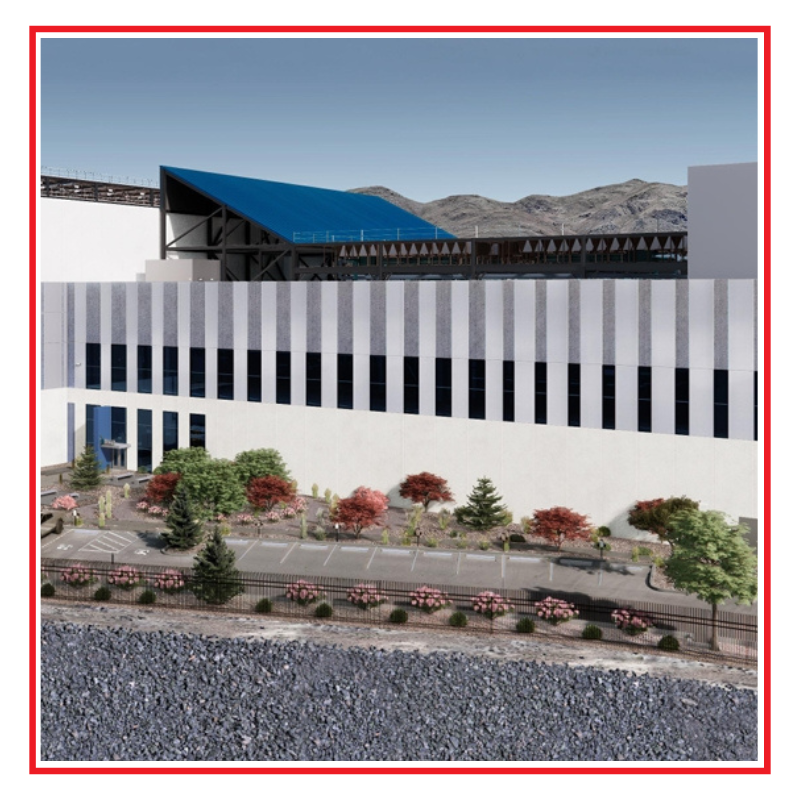
In the burgeoning data center industry where sprawling, single-story campuses dominate the landscape, Vantage Data Centers is rewriting the rulebook in northern Nevada. Its NV1 building in Storey County will rise four stories—unusual for a data center—with more than one million ft2 of hyperscale capacity and a centralized fire command center. A global leader in hyperscale data center development, Vantage Data Centers’ Storey County campus will have a capacity of 224 megawatts and comprise multiple data center buildings, including the four-story NV1 building that will support high-density AI workloads using both air and liquid cooling. The first buildings are set to open in the second quarter of 2026.
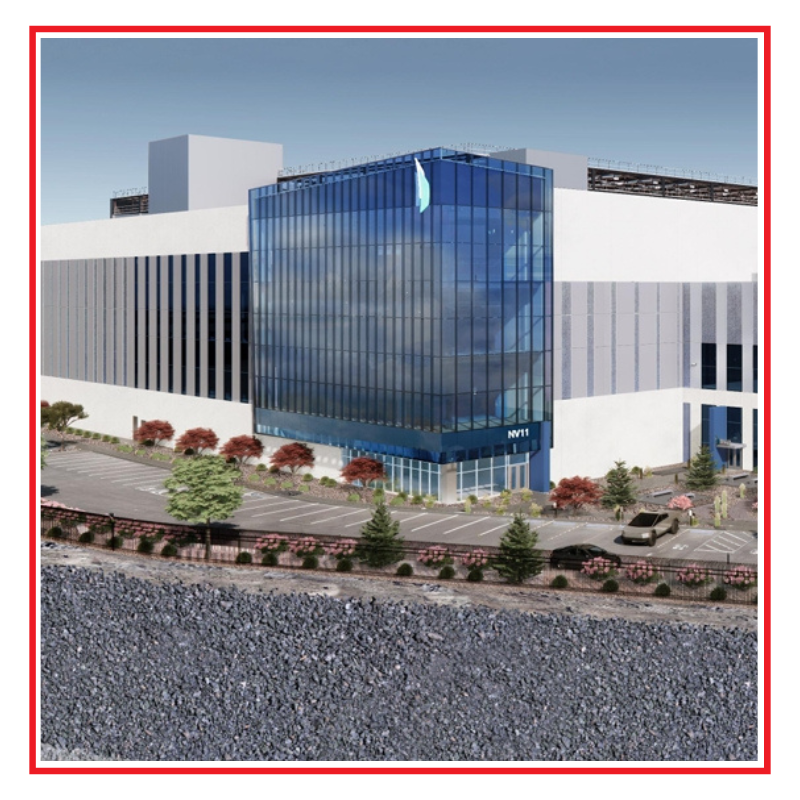 Due to local and state amendments, the NV1 facility, which is classified as a high-rise building, presents unique challenges for a data center project. The project’s high-rise design, along with battery energy storage systems (BESS), introduces a host of fire protection and life safety challenges rarely encountered in traditional data centers, making it a rare and groundbreaking development in the sector. “Unlike conventional low-rise data centers, a high-rise building introduces additional fire and life safety complexities, such as the need for smoke control and removal systems across multiple vertical levels, high-capacity egress systems, and specialized firefighting strategies,” said Bryan Douglass, PE, a principal at Las Vegas-based fire protection engineering firm TERPconsulting, who consulted on the Vantage Data Centers NV1 project. “Designing for uninterrupted operations while meeting high-rise fire code mandates requires innovative solutions and careful coordination between all stakeholders.”
High-rise data centers are relatively rare, and their unique design features require strict compliance with local fire codes, as well as guidance from specialized national standards such as NFPA 75 – Standard for the Fire Protection of Information Technology Equipment and NFPA 76–Standard for the Fire Protection of Telecommunications Facilities. These standards provide critical guidance on protecting mission-critical IT equipment, safeguarding telecommunications infrastructure, and ensuring continuity of operations in the event of a fire or smoke incident.
Fire Protection & Life Safety Solutions
To meet the complex code requirements of a high-rise data center, TERPconsulting’s fire protection engineering team provided a full suite of fire and life safety consulting services for the NV1 building. The scope encompassed the preparation of a Fire Protection Report (FPR), Fire Safety Plans (FSP), smoke control and removal system conceptual design, coordination with the Storey County Fire Protection District (SCFPC), and ongoing support during the construction phase to ensure code compliance from design through occupancy.
Our first step involved coordinating with project stakeholders, including SCFPC. We began by assessing potential hazards and implementing appropriate protection measures for high-hazard areas such as the BESS rooms. Because the facility was not a traditional high-rise and did not present the typical high-occupancy risks associated with public high-rise buildings, our team explored alternative design methods. This approach allowed us to negotiate code relief and identify equivalent solutions that reduced costs and prevented overdesign associated with certain high-rise provisions.
“Every design decision in a data center has downstream impacts on fire and life safety,” explained Bryan. “In this case, the vertical nature of the facility added layers of complexity that required close coordination among disciplines—particularly mechanical, electrical, and architectural teams—to ensure the systems worked seamlessly together.”
Fire Protection Report (FPR) & General Consulting
As part of the design-phase services, TERPconsulting’s engineers reviewed architectural plans, conducted detailed code analysis, and worked closely with the project’s mechanical engineer to integrate smoke control and removal systems appropriate for a multi-story, high-heat-load environment.
The resulting Fire Protection Report (FPR) served as the central document addressing the building, along with future building support on the campus, and outlined key fire and life safety mandates, including:
- Automatic sprinkler and fire pump requirements
- Special suppression systems for mission-critical areas
- Fire-resistive rated construction to mitigate fire spread
- Fire department access and apparatus circulation paths
- Occupancy provisions, including evaluation of Group H hazardous areas
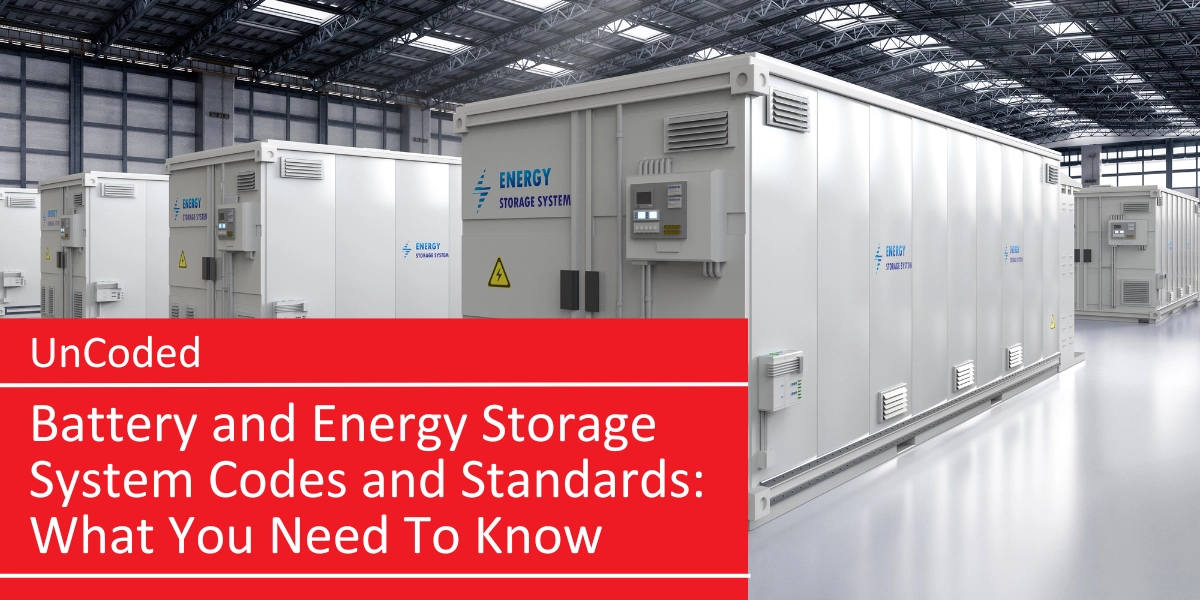
- Lithium Iron Phosphate (LFP) battery energy storage system (BESS) protection
- Means of egress and emergency evacuation planning
- Fire alarm and detection systems design integration
- Elevator emergency operations
- Emergency power and backup systems
- Interior finish fire-resistance compliance
- Smoke control and removal provisions
“The FPR acts as the backbone of the entire fire protection design,” emphasized Bryan. “It not only ensures compliance with the International Building Code and the fire code but also provides the AHJ with a clear roadmap for how each fire protection element interacts with others. That transparency is essential when you’re working on a high-rise data center where systems interdependence is so critical.”
 Fire Safety Plans (FSP)
To complement the FPR, the team developed Fire Safety Plans (FSP) that establish comprehensive emergency procedures tailored to the high-rise, mission-critical environment. The plan defined fire and emergency reporting protocols, life safety strategies, and maintenance responsibilities to safeguard personnel and assets.
The FSP included detailed site and floor plans that identified fire hydrants, fire lanes, emergency assembly points, and egress routes, as well as documentation of significant fire hazards, such as high-energy storage systems.
“The Fire Safety Plan bridges design and operations,” noted Bryan. “It’s not just a document for permitting—it becomes a living tool for facility managers and fire response teams once the building is operational.”
Construction Administrative Services
During construction, TERPconsulting remains actively engaged to ensure design intent and code compliance are carried through to installation. The team responds to RFIs related to fire protection systems, reviews submittals for fire alarm and suppression systems, and provides ongoing consultation throughout the construction process.
“The construction phase is where the real-world testing of the design occurs,” said Bryan. “By staying involved, we can verify that all fire protection systems are installed as intended and coordinated across trades—a crucial step for a facility where even brief downtime is unacceptable.”
Safeguarding the Future of Data Center Design
At the Vantage Storey County campus, TERPconsulting helped set a new benchmark for high-rise data center fire and life safety design. Through detailed documentation, cross-discipline collaboration, and proactive engagement with the AHJ, the firm ensured compliance with local codes and adopted standards, safeguarding critical IT and telecommunications infrastructure while supporting continuous operation. “Projects like this one push the boundaries of what’s possible in data center design,” concluded Bryan. “Our role is to make sure innovation and safety advance together.”
If you have a question about applying fire and life solutions to the construction of your data center, please reach out to Bryan Douglass, PE.