Applying 2024 IFC Refrigerant Classifications to High-Piled Storage
About This Project
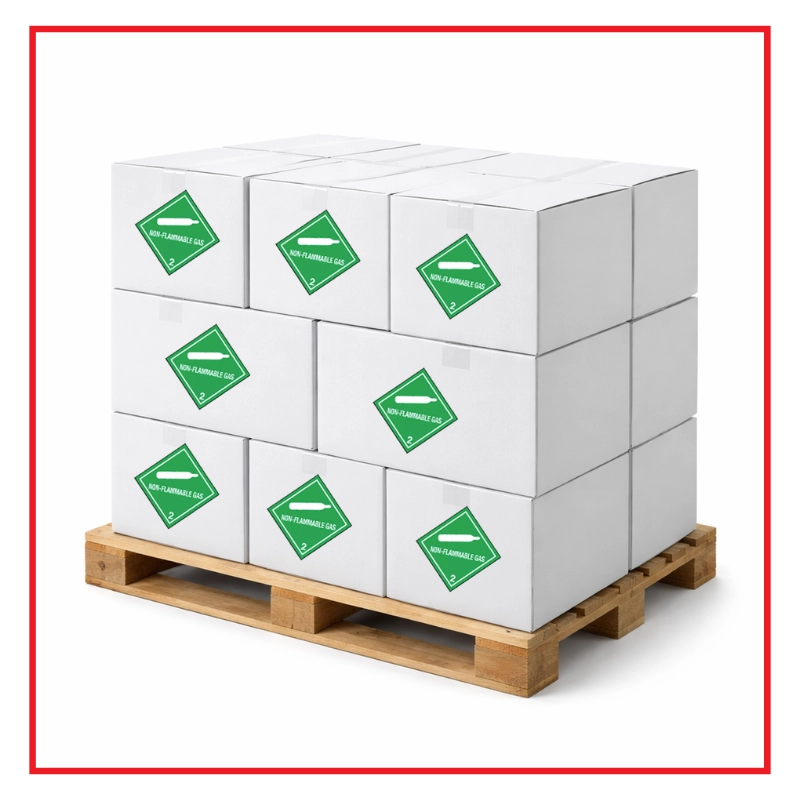
CASE STUDY: Outlining new classification for gas/HVAC systems, phasing out GWP refrigerants for A2L refrigerants under the 2024 IFC codes, being adopted by Southern Nevada jurisdictions
by Joe Chacon, PE
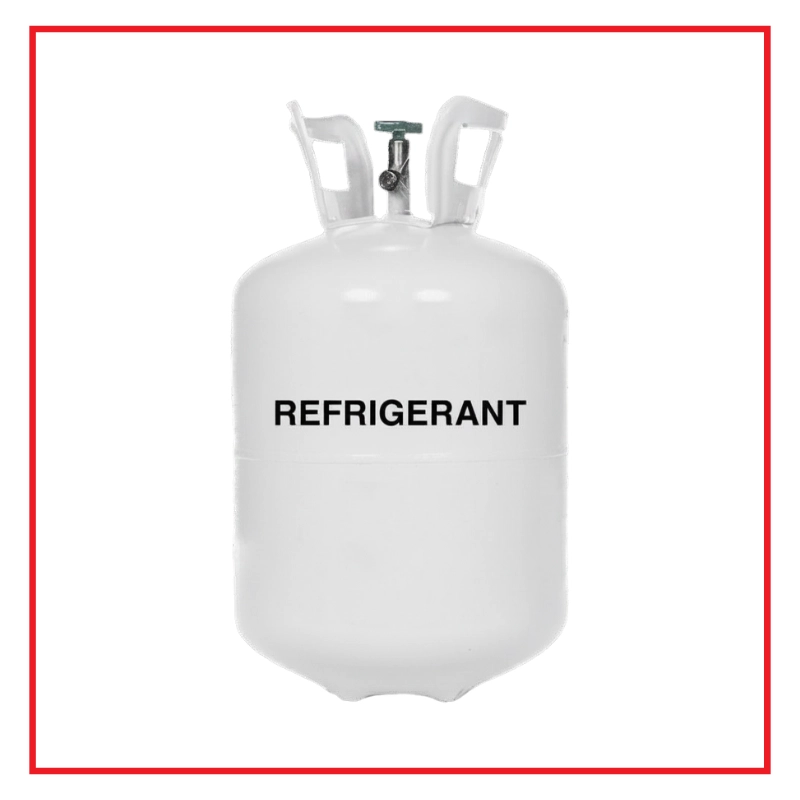
In response to the phase-out of higher global warming potential (GWP) refrigerants, many refrigeration, air conditioning, and heat pump applications are shifting toward mildly flammable A2L refrigerants. These flammable refrigerants are part of a broader regulatory shift reflected in the 2024 editions of the International Fire Code (IFC) and International Building Code (IBC).
“A2L refrigerants are characterized by lower flammability, slower flame spread, and significantly reduced environmental impact due to lower GWP,” explained TERPconsulting’s HazMat expert Joe Chacon, PE. “As a result, fire protection requirements within the 2024 International Fire Code have evolved to support the safe adoption of these systems.”
To support this transition, the 2024 International Fire Code (IFC) has introduced significant updates that impact system design and storage strategies:
- Flammable gases are now divided into traditional flammable gases and slow flame-spread gases such as mildly flammable A2L refrigerants.
- A2L refrigerants with a burning velocity (BV) of less than 3.9 in/s (10 cm/s) qualify as Category 1B gases.
- Category 1B gases are permitted significantly higher maximum allowable quantities (MAQs)—up to 10,000 pounds, compared to 150 pounds for faster flame-spread gases.
These updates to the International Fire Code IFC and the 2024 IBC and IFC editions have direct implications for warehouse design, fire protection requirements, and hazardous materials management.
These code changes are particularly relevant to HVAC distributors and warehouses across Southern Nevada because local jurisdictions have recently adopted the 2024 editions of the international codes as follows:
📌City of North Las Vegas – Effective January 5, 2026
📌City of Mesquite – Effective January 1, 2026
📌City of Henderson – Effective January 2, 2026
📌City of Las Vegas – Effective January 5, 2026
📌Clark County – Effective January 11, 2026
 Case Study: New Classification for Gas and HVAC Systems Under the 2024 IFC
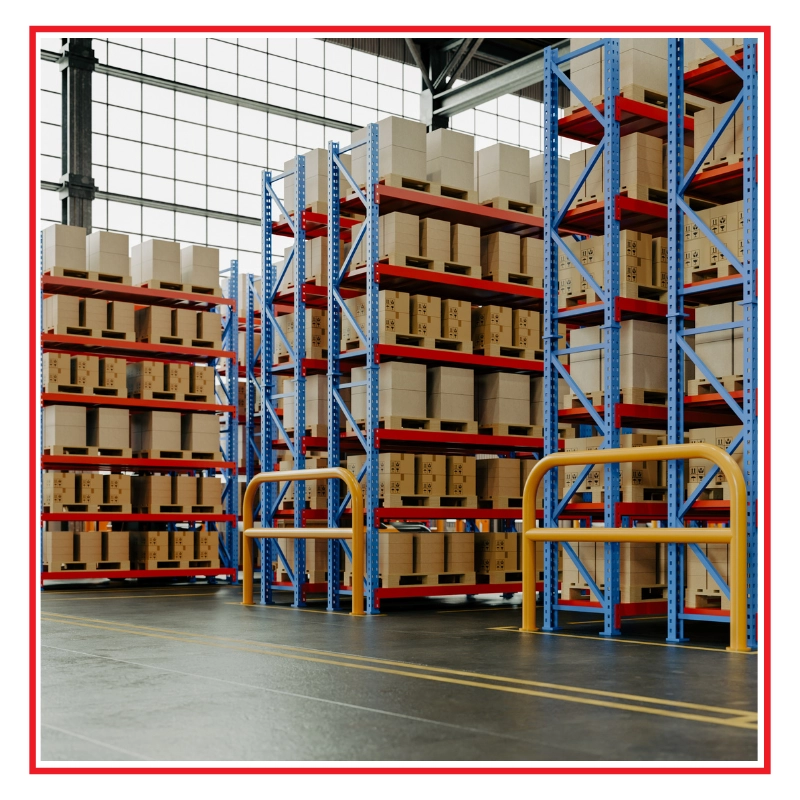
The following case study outlines the storage of HVAC supply equipment, including flammable refrigerants and mildly flammable A2L products, alongside high-piled rack storage at a newly constructed 30,000 ft² facility in Southern Nevada. Due to the presence of hazardous materials and high-piled combustible storage, a Fire Protection Report (FPR) was required by the Authority Having Jurisdiction (AHJ).
The HazMat experts at TERPconsulting prepared both a Fire Protection Report (FPR) and a Hazardous Material Inventory Statement (HMIS) to ensure compliance with the 2024 IFC, while optimizing storage layouts, fire protection requirements, and overall system design.
Scope of Services
Comprehensive Plan Review
TERPconsulting evaluated building plans, storage heights, aisle widths, rack configurations, and refrigerant safety data sheets to determine flammable classifications and fire protection requirements in alignment with the International Fire Code (IFC) and International Building Code (IBC).
Risk Identification
The team identified key hazards associated with high-piled storage of flammable refrigerants and evolving refrigerant classifications within the 2024 editions of the International codes.
Automatic Sprinkler System Coordination
TERPconsulting coordinated closely with the design team to align the automatic sprinkler system with high-piled storage criteria, commodity classification, and rack configuration requirements.
 Detection and Fire Alarm System Considerations
In addition to sprinkler protection, the analysis considered detection system strategies and fire alarm system integration to support code-compliant hazardous materials storage.
Fire Protection Report (FPR)
The FPR addressed requirements from NFPA 13 (automatic sprinkler system design), NFPA 30, and applicable International Fire Code IFC provisions. The report included:
- Fire barrier separation requirements
- Group H occupancy considerations (ventilation, spill control, containment)
- Rack storage configuration standards
- High-piled storage sprinkler requirements, including in-rack sprinklers if needed
Hazardous Material Inventory Statement (HMIS)
TERPconsulting compiled a detailed HMIS outlining refrigerant quantities, IFC classifications, and NFPA 704 ratings. The project scope included up to three refrigerant types.
Broader Implications for Emerging Technologies
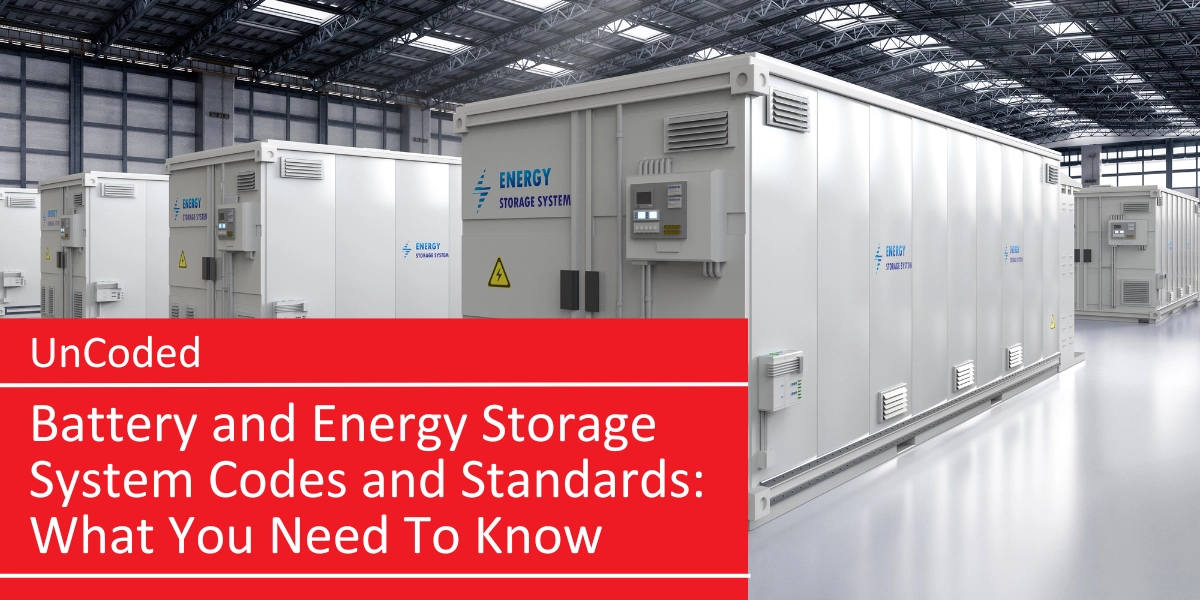
While this project focused on refrigerants, the 2024 editions of the International Fire Code and International Building Code also introduced evolving guidance on emerging hazards, including lithium-ion and lithium-metal batteries, energy storage systems (ESS), and lithium-ion storage. These updates reflect the growing overlap between refrigerant storage, energy storage system design, and evolving fire protection requirements across industrial occupancies.
As energy storage systems (ESS), refrigeration technologies, and warehouse logistics continue to evolve, early coordination around system design, detection systems, and suppression strategies will be critical for compliance.
“By integrating the 2024 IFC classification updates for mildly flammable A2L refrigerants into the design approach, TERPconsulting ensured the warehouse could safely and efficiently store large quantities of HVAC refrigerants while meeting both fire protection and environmental requirements,” Joe explained. “The result was a warehouse design that balances operational efficiency, regulatory compliance, and enhanced safety.”
If you have a question about HazMat classifications or need help with an HMIS, please reach out to Joe Chacon, PE.